
Affirmations
Affirmations Aren't Working? Try Afformations
If affirmations have never quite clicked for you, try afformations — the same positive practice reframed as empowering questions that get your subconscious working.

On this page
Some people swear by affirmations — positive statements you repeat to yourself until they start to feel true. But what works for one person doesn't always work for another. If affirmations have never quite clicked for you, there's a small twist on the technique worth trying: afformations.
VISIYA's daily affirmations feature makes it easy to practise either method every morning. First, though, let's look at what afformations are and why they can be so effective.
What is an afformation?
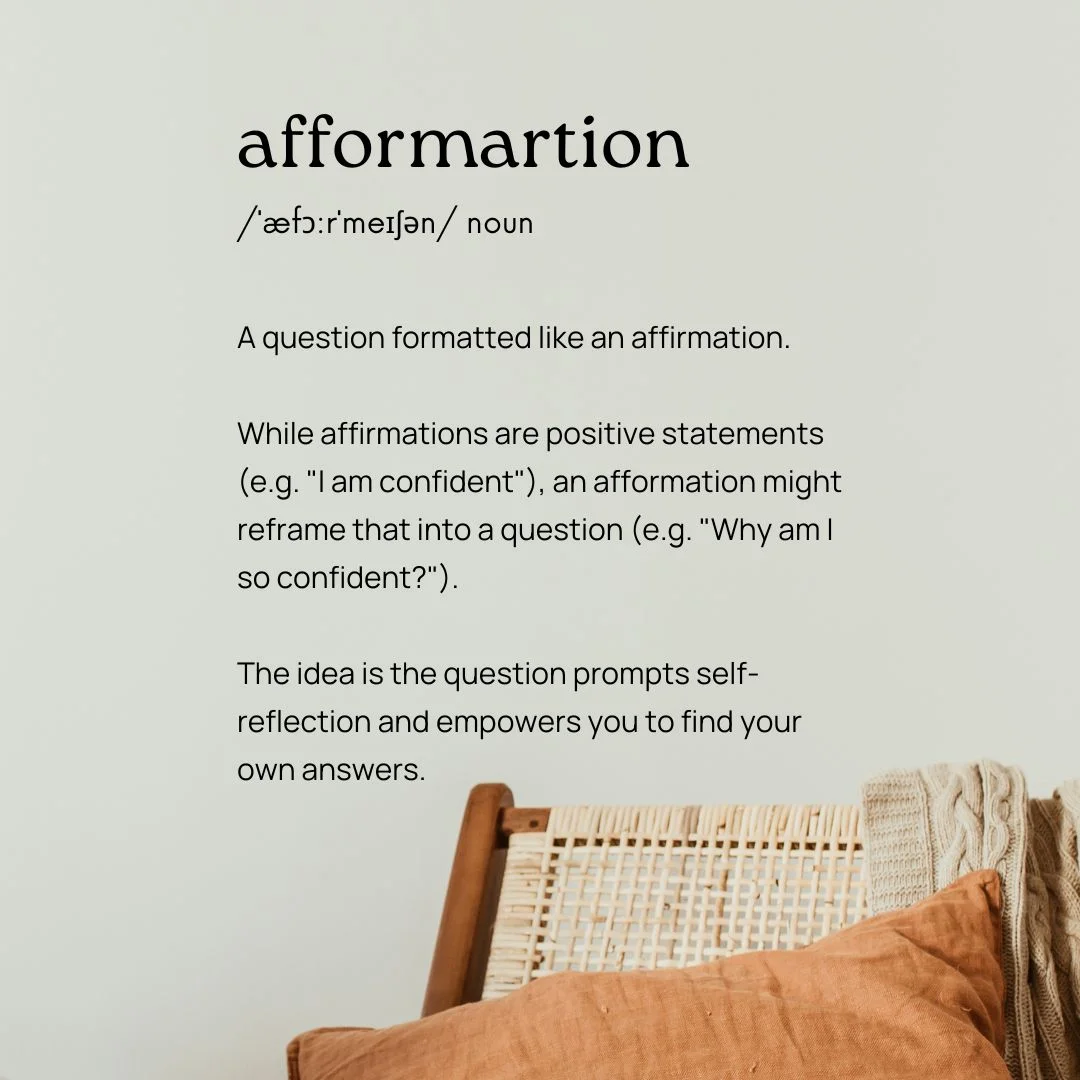
An afformation is a smarter spin on the affirmation. It uses the same positive, conviction-building language you repeat until your brain starts to respond — but with one small, telling difference. Instead of simply stating the outcome you want, you phrase it as an empowering question, usually beginning with "Why?"
- "Why am I so lucky?"
- "Why am I about to go off on a great adventure?"
- "Why am I the best candidate for this promotion?"
Questions engage the brain more than statements do. An afformation sparks a quiet conversation with your subconscious, prompting it to go looking for solutions and evidence. You don't hunt for the answers yourself — you simply ask, and let your mind get to work. This is often more effective than flatly telling yourself something is true, which is exactly where many people stall: they don't quite believe the positive statement, so they reject it.
The term and the technique come from Noah St. John, Ph.D., author of The Secret Code of Success: 7 Hidden Steps to More Wealth and Happiness. Afformations aren't really an invention — they're a tweak to affirmations, designed to make them work better.
How to work with afformations
-
Define your desire. First, identify what you want to achieve. It helps to begin small and gradually raise the bar — early wins build the confidence and momentum to keep going.
-
Craft your "why" question. Once you have a goal in mind, turn it into a "why" question. Phrase it in the present tense, as if you've already achieved what you want:
- "Why do I feel so loved and appreciated by everyone?"
- "Why do I radiate confidence and vitality?"
- "Why do I stay so calm and at peace in any situation?"
- "Why do incredible opportunities come to me so easily?"
-
Ask and observe. With your question ready, simply ask it. Don't actively search for answers — your subconscious will handle that. Your brain now focuses on the "why" behind your success and starts turning up positive responses. It can happen quietly, so stay attentive.
-
Notice the changes. Don't expect instant answers. Pay attention to new situations, events and inspiring ideas as they emerge — they can be signs you're on the right track. Celebrate even small shifts, because they signal progress.
-
Take action. Action is the key. As insights arise, take inspired steps toward your goal.

Build your daily affirmations
Put together a personal set of affirmations and return to them every day — free on iPhone and iPad.

How to use afformations effectively
Just like an affirmation, an afformation said once into the universe and then forgotten won't manifest anything. Here's how to get the most from the technique:
-
Meaning. Put meaning into your question and understand what you're actually asking. The intent behind the question is what counts.
-
Emotion. Each time you say your afformation, feel it. Experience the thrill, excitement or joy of having achieved your aspiration. Positive emotions only, please.
-
Visualisation. Add a picture to the process. Visualise the outcome as you repeat the question — a general inner image is enough. A physical vision board makes this even easier to hold in mind.
-
Consistency. Repetition cements the belief in an already-fulfilled wish, painting a vivid picture in your mind.
If you can, work with afformations in the morning after waking and in the evening before bed — or whenever suits you. Ideally, find a quiet moment alone, relax, close your eyes, ask yourself the right question and sink into the feeling. Picture your life after reaching your goal and enjoy every part of it. Don't get distracted; immerse yourself fully in the process.
Combine afformations with affirmations
If affirmations have already helped you and you believe in their power, don't rush to abandon them. Try combining both methods: ask yourself the right questions and keep speaking your positive statements. You might reach your goal even faster this way.
Prefer a more visual practice? Turn your questions and goals into images with a vision board template, and let the picture reinforce every afformation you ask.
Frequently asked questions
What is the difference between an affirmation and an afformation?
An affirmation is a positive statement you repeat, such as 'I am confident.' An afformation reframes that same idea as an empowering question, such as 'Why am I so confident?' The question invites your subconscious to look for answers instead of arguing with a statement it may not yet believe.
Do afformations really work?
Many people find them more effective than plain affirmations because a well-formed question engages the brain more than a flat statement. There is no magic to it: afformations focus your attention and prompt your subconscious to notice opportunities. Real progress still depends on the action you take.
Can I use affirmations and afformations together?
Yes. If affirmations already help you, keep them and add afformations. Ask yourself the right questions and speak your positive statements — combining both can move you toward your goal even faster.